Entering financial markets requires a structured and regulated approach to holding and managing investment assets. One of the most essential steps for any individual looking to participate in securities trading is to Create a Demat Account. This account allows investors to store shares, bonds, and other securities in an electronic format, eliminating the need for physical certificates.
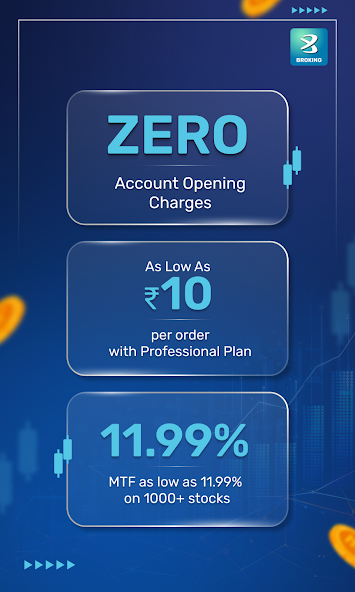
In today’s digital investment environment, many investors also rely on an all-in-one mutual fund app to monitor holdings and track portfolio progress alongside dematerialized assets. Together, these tools create a streamlined system that supports informed decision-making and disciplined participation in financial markets.
What Does It Mean to Create a Demat Account?
A dematerialized account, commonly known as a demat account, is an electronic account that holds financial securities in digital form. When you create a demat account, your physical share certificates are converted into electronic records and securely stored with a registered depository participant.
Why Dematerialization Matters
Dematerialization reduces paperwork, minimizes the risk of loss or damage, and ensures faster settlement of trades. It also simplifies asset tracking, making it easier for investors to review holdings through digital platforms or an all-in-one mutual fund app.
How a Demat Account Works in Financial Markets
When you purchase securities, they are credited directly to your demat account. Similarly, when you sell, the securities are debited electronically. This seamless movement of assets supports transparent and efficient market participation.
Key Participants in the Process
- Depository institutions that maintain electronic records
- Intermediaries that facilitate account operations
- Stock exchanges where trades are executed
Together, these entities ensure that your decision to create a demat account results in secure and regulated asset management.
Eligibility Criteria to Create a Demat Account
Most individuals can open a demat account by meeting basic eligibility requirements.
General Requirements
- Valid identity proof
- Address verification documents
- Bank account details
- Compliance with regulatory norms
Both resident and non-resident individuals may create a demat account, subject to applicable guidelines.
Step-by-Step Process to Create a Demat Account
Opening a demat account is a structured yet straightforward process.
Step 1: Choose a Registered Service Provider
Select a regulated intermediary that offers demat account services aligned with your investment goals.
Step 2: Submit Documentation
Provide identity and address verification documents as required.
Step 3: Complete Verification
Verification may be completed digitally or through in-person validation, depending on the process followed.
Step 4: Account Activation
Once approved, the demat account becomes active and ready for transactions.
This structured process ensures safety and compliance when you create a demat account.
Benefits of Creating a Demat Account
Secure Asset Holding
Digital storage reduces risks related to theft, loss, or physical damage.
Easy Portfolio Tracking
Investors can monitor their holdings alongside other investments using tools such as an all-in-one mutual fund app.
Faster Transactions
Electronic settlement shortens transaction cycles and improves efficiency.
Reduced Paperwork
All records are maintained digitally, simplifying long-term documentation.
Types of Securities Held in a Demat Account
A demat account can hold a wide range of financial instruments, including:
- Equity shares
- Bonds and debentures
- Government securities
- Exchange-traded instruments
- Mutual fund units
This flexibility allows investors to diversify their portfolios while maintaining centralized control.
Role of Digital Tools in Investment Management
Modern investors often combine demat accounts with digital investment platforms for enhanced visibility and planning.
Using an All-in-One Mutual Fund App
An all-in-one mutual fund app helps investors track fund performance, monitor allocation, and review historical data. When used alongside a demat account, it creates a unified view of financial assets without manual tracking.
Common Mistakes to Avoid When Opening a Demat Account
- Submitting incomplete documentation
- Ignoring fee structures and account terms
- Not reviewing account statements regularly
- Overlooking security practices such as login protection
Avoiding these issues ensures a smooth experience after you create a demat account.
Long-Term Importance of a Demat Account
A demat account is not only for active traders. Long-term investors also benefit from digital asset storage, easy inheritance planning, and simplified compliance. As financial markets evolve, maintaining electronic records becomes essential for transparency and continuity.
Conclusion
Choosing to Create a Demat Account is a fundamental step toward structured participation in financial markets. It offers secure asset storage, efficient transactions, and compatibility with modern investment tools. When combined with an all-in-one mutual fund app, investors gain better visibility into their financial journey and maintain organized records across asset classes.
For anyone planning to engage in equities, bonds, or mutual funds, the decision to create a demat account supports clarity, compliance, and long-term financial discipline. By understanding the process and benefits, investors can confidently enter financial markets with a well-organized investment foundation.
